
Emotional Benefits of Spending Time in Nature
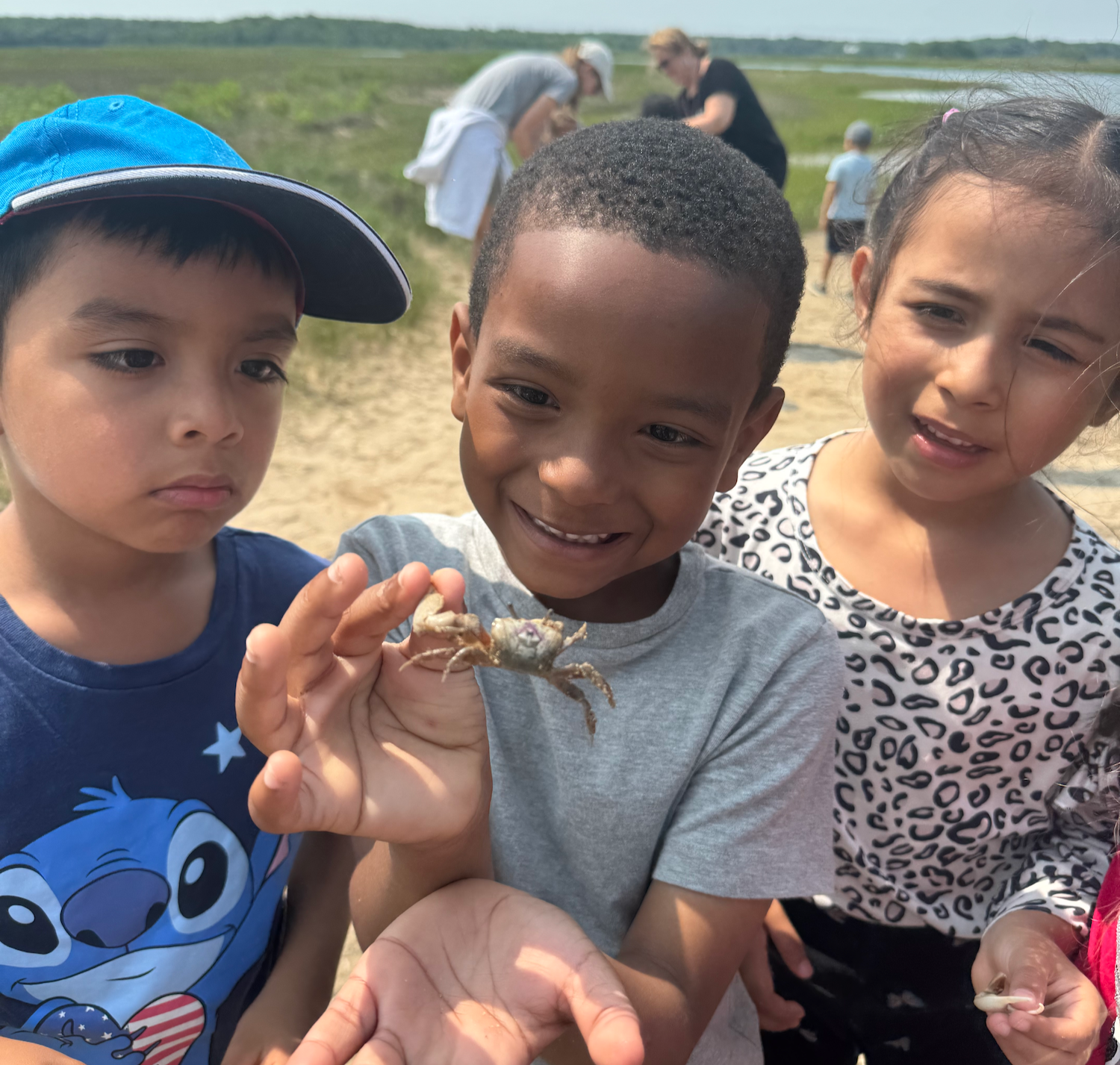
Spending time in nature provides incredible emotional benefits, for children and adults alike. Studies show that spending time in outdoor spaces, whether a park, beach, or your own backyard, reduces stress and improves mental health. For Mental Health Awareness Month, we’re sharing a few of the emotional benefits and tips to get you and your family outdoors:
Developing Resilience
Developing resilience is essential for children’s mental health and in learning to overcome life’s challenges. Viewing something as a challenge rather than a fear to be avoided helps children to become interested, creative, and work to understand a situation. Animals have relied on adaptability and resiliency to survive in nature for millions of years. We, too, can develop resilience outdoors!
Weather challenges can help teach children to be resilient in the face of unknowns. Getting our clothes wet does not have to ruin a trail walk. Wind doesn’t have to keep you off the beach. How we react to challenges like weather, climbing, tripping, getting wet by a river, or bugs annoying you can model resilience to children, helping them to grow their own resiliency. When a tree has fallen over a trail, we can safely demonstrate climbing or stepping over it. We can problem solve by finding an alternative path around the obstacle. If water gets in our shoes, we can pause to dry our feet with our shirt or a packed towel and take a break before continuing our walk (bonus points if you pack spare socks!)
By continuing and not allowing a small setback to derail the activity, we can display and promote resilience.
Instilling a Sense of Wonder
Getting children outdoors and learning about our local environment encourages a sense of wonder that fuels curiosity and creativity and can help them to grow into caring, problem-solving adults. Nature is a beautiful place to encourage wonder in children.
There are amazing critters all around us for children to discover. One of the best ways to find these critters is through flipping over logs. As you observe these insects, encourage your child to ask questions. What do you see? How is it moving? What colors do you see on its body? Does it have legs? Even if you do not know the answers, these types of questions give you and your child the opportunity to research the creatures together later!
Encouraging Empathy
Empathy is a crucial component in connecting humans to not just one another, but the world around them. Empathy provides insight into other perspectives and allows us to lead with understanding and care.
Help children develop empathy by engaging in conversation while spending time outdoors. In spring, make a pinecone bird feeder or turn an orange into a feeder. Not only will they get to see more of our local wildlife up close, but they will be thinking of life from another perspective. In winter, think about birds, squirrels, and other animals that must survive in the cold. How do these animals adapt to changing temperatures outdoors?
Fueling Joy
Joy lives in nature. Step out into a beautiful green space and you may glimpse an osprey diving for its lunch, a bee visiting a flower, a beautiful sunset, or a whale tail from the shore. There are so many different opportunities for joy in nature, and each one is important to children’s development. By cultivating a capacity to find joy, we can sustain ourselves emotionally when challenges arise.
Connecting to the local natural world builds a deeper feeling of belonging in children. Creating positive experiences and memories in nature strengthens emotional well-being, mental health, and a capacity for empathy towards all living beings that we share our environment with.